Among the organized chaos of medical professionals in Birmingham, a young man named James Stokes carries himself with the measured poise of someone who has found his place. His polished footwear move with deliberate precision as he acknowledges colleagues—some by name, others with the familiar currency of a “how are you.” (Image: https://www.england.nhs.uk/wp-content/themes/nhsengland/static/img/nhs-uk-logo.svg)
James wears his NHS lanyard not merely as a security requirement but as a declaration of inclusion. It hangs against a neatly presented outfit that gives no indication of the challenging road that led him to this place. (Image: https://www.england.nhs.uk/wp-content/uploads/2024/05/universal-family-programme-peer-support-2048x2006.png)
What distinguishes James from many of his colleagues is not obvious to the casual observer. His demeanor discloses nothing of the fact that he was among the first beneficiaries of the NHS Universal Family Programme—an undertaking crafted intentionally for young people who have spent time in care. external frame
“I found genuine support within the NHS structure,” James reflects, his voice controlled but carrying undertones of feeling. His remark summarizes the essence of a programme that seeks to revolutionize how the enormous healthcare system views care leavers—those vulnerable young people aged 16-25 who have transitioned from the care system.
The statistics tell a troubling story. Care leavers frequently encounter higher rates of mental health issues, financial instability, accommodation difficulties, and reduced scholarly attainment compared to their peers. Underlying these impersonal figures are human stories of young people who have navigated a system that, despite good efforts, frequently fails in offering the supportive foundation that shapes most young lives.
The NHS Universal Family Programme, established in January 2023 following NHS England's commitment to the Care Leaver Covenant, embodies a substantial transformation in institutional thinking. At its core, it recognizes that the whole state and civil society should function as a “universal family” for those who have missed out on the stability of a conventional home.
Ten pioneering healthcare collectives across England have charted the course, creating systems that reimagine how the NHS—one of Europe's largest employers—can create pathways to care leavers.
The Programme is meticulous in its approach, initiating with comprehensive audits of existing policies, establishing management frameworks, and securing executive backing. It recognizes that effective inclusion requires more than noble aims—it demands concrete steps.
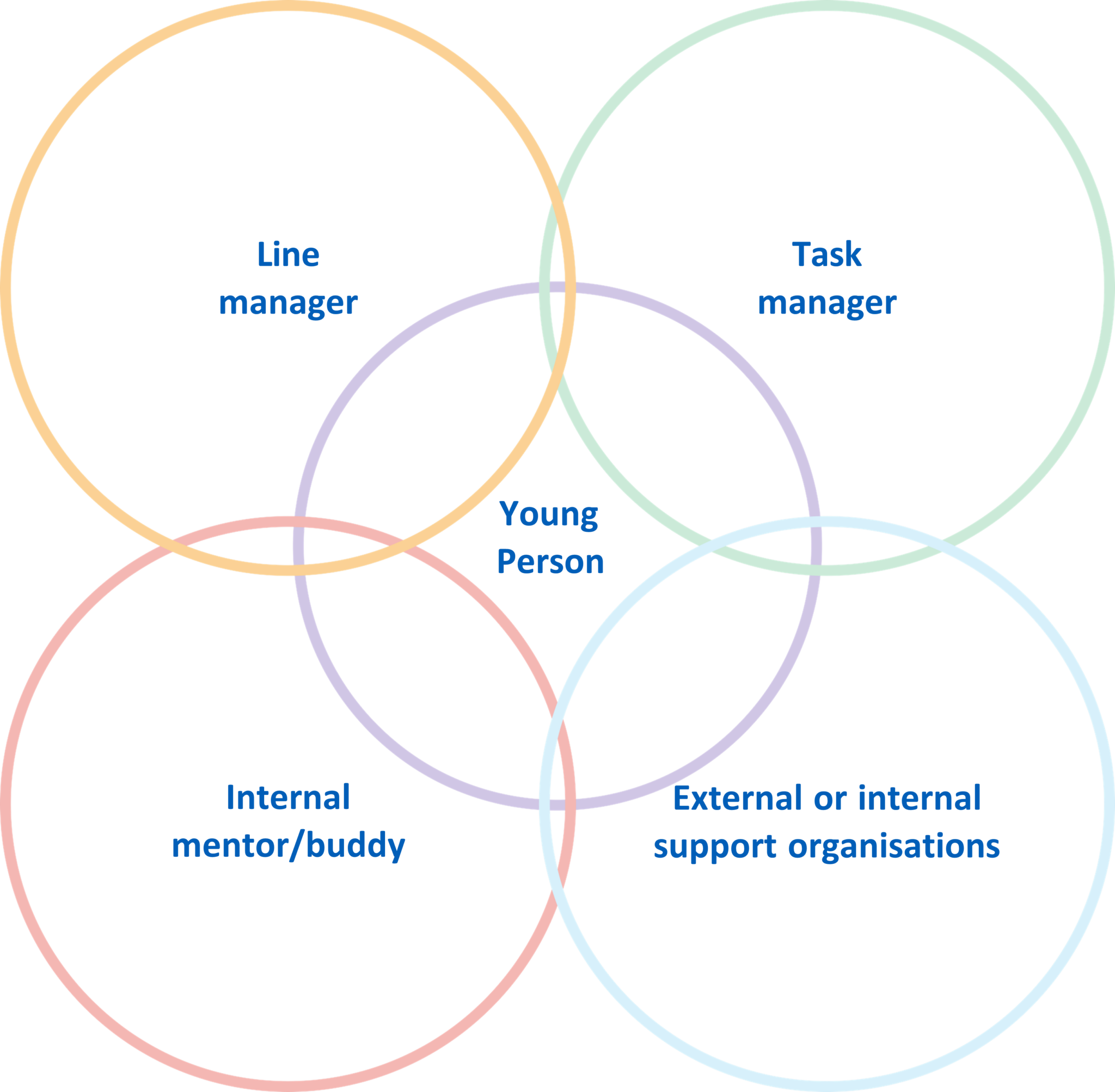
In NHS Birmingham and Solihull ICB, where James began his journey, they've established a consistent support system with representatives who can provide help and direction on personal welfare, HR matters, recruitment, and equality, diversity, and inclusion.
The conventional NHS recruitment process—rigid and possibly overwhelming—has been intentionally adjusted. Job advertisements now highlight character attributes rather than numerous requirements. Applications have been reconsidered to accommodate the specific obstacles care leavers might face—from missing employment history to having limited internet access.
Perhaps most significantly, the Programme understands that entering the workforce can create specific difficulties for care leavers who may be managing independent living without the backup of familial aid. Concerns like transportation costs, proper ID, and bank accounts—assumed basic by many—can become substantial hurdles.
The beauty of the Programme lies in its meticulous consideration—from clarifying salary details to offering travel loans until that crucial first payday. Even seemingly minor aspects like rest periods and office etiquette are carefully explained.
For James, whose professional path has “transformed” his life, the Programme provided more than employment. It gave him a sense of belonging—that ineffable quality that grows when someone is appreciated not despite their past but because their particular journey enhances the organization.
“Working for the NHS isn't just about doctors and nurses,” James notes, his expression revealing the quiet pride of someone who has discovered belonging. “It's about a family of different jobs and roles, a family of people who really connect.”
The NHS Universal Family Programme represents more than an work program. It exists as a strong assertion that institutions can change to embrace those who have known different challenges. In doing so, they not only alter individual futures but improve their services through the special insights that care leavers provide.
As James navigates his workplace, his participation subtly proves that with the right assistance, care leavers can succeed in environments once thought inaccessible. The support that the NHS has offered through this Programme symbolizes not charity but acknowledgment of hidden abilities and the essential fact that each individual warrants a support system that supports their growth. external frame